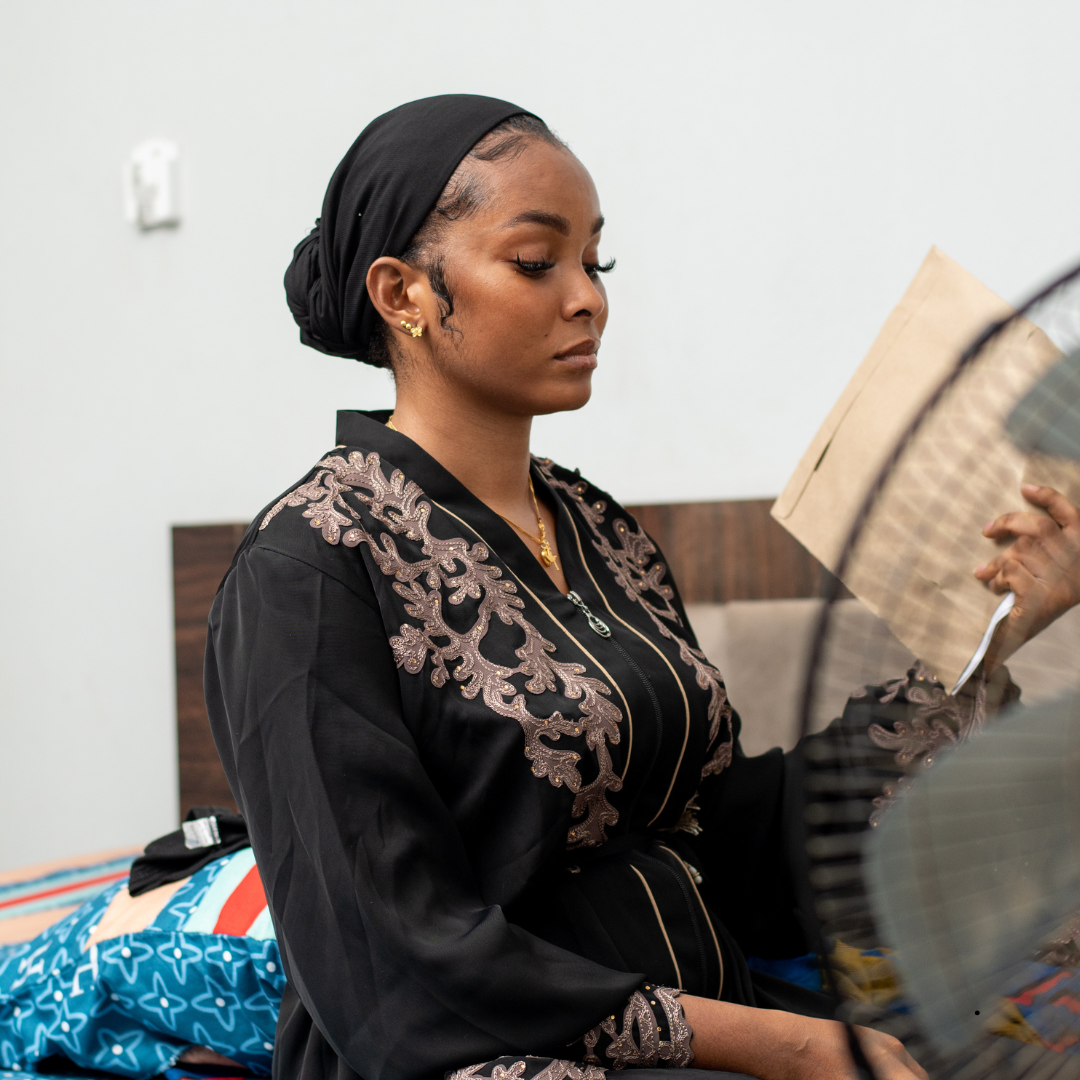
Menopause Hot Flashes and Night Sweats
Hot flashes and night sweats are among the most common and recognisable symptoms of menopause. It is estimated that nearly 75% of women experience these symptoms during the menopausal transition.
These episodes often appear suddenly as intense waves of heat moving through the upper body, face, or chest.
They may be accompanied by redness, sweating, a rapid heartbeat, or a feeling of internal heat that can last from a few seconds to several minutes.
Although hot flashes and night sweats are not dangerous, they can significantly affect a woman's quality of life. Frequent episodes may interrupt daily activities, disrupt sleep, and contribute to fatigue, irritability, and difficulty concentrating.
While hormonal changes during menopause play a role, it is important to understand that these symptoms are rarely driven by hormones alone. Factors such as stress, sleep patterns, metabolic health, environmental triggers, and lifestyle habits can also influence how intensely women experience hot flashes and night sweats.
At Radiant Revive Holistics, menopause is viewed as a whole-body transition where many systems interact with one another.
Why Hot Flashes Happen During Menopause
Hot flashes are believed to occur because of changes in the brain’s thermoregulatory centre, located in the hypothalamus. This region of the brain helps regulate body temperature.
During menopause, hormonal fluctuations—particularly the decline in estrogen—can make this temperature regulation system more sensitive. As a result, even small changes in body temperature may trigger the brain to initiate cooling mechanisms.
The body responds by widening blood vessels and activating sweat glands in an attempt to release heat. This process leads to the sudden feeling of warmth and perspiration that characterises a hot flash.
However, hormonal fluctuations alone do not explain why some women experience frequent or severe hot flashes while others have very mild symptoms. Several additional factors can influence their intensity.
Common Triggers for Hot Flashes
Certain environmental and lifestyle factors may trigger or worsen hot flashes.
These may include:
- stress or anxiety
- alcohol consumption
- caffeine
- spicy foods
- overheated environments
- poor sleep
- metabolic or blood sugar fluctuations
Understanding individual triggers can help women manage symptoms more effectively.
Night Sweats During Menopause
Night sweats are episodes of excessive sweating that occur during sleep and are often associated with hot flashes. These episodes can be intense enough to wake women during the night, leaving clothing or bedding damp and disrupting restful sleep.
Because night sweats frequently interrupt deep sleep cycles, they are one of the leading causes of insomnia and fatigue during menopause. Over time, disrupted sleep can contribute to low energy, mood changes, reduced concentration, and increased stress.
One client shared that she was waking several times a night completely soaked and needed to change her sleepwear and bedding before returning to bed. The repeated sleep disruption left her exhausted during the day.
By working together on strategies such as improving sleep environment, managing stress, and identifying triggers, she gradually began sleeping more comfortably and regained much of her energy.
Supporting the Body During Menopause
While hot flashes and night sweats are common during menopause, many women find that their symptoms improve when underlying factors such as stress, sleep quality, metabolism, and lifestyle patterns are addressed.
Helpful strategies may include:
- improving sleep environment and sleep hygiene
- managing stress and nervous system balance
- identifying personal triggers
- supporting metabolic health and stable blood sugar
- maintaining a balanced and nourishing diet
Supporting the body in a comprehensive way often helps reduce the frequency and intensity of these symptoms.
Understanding Your Body Through ClarityScan™
Many women begin their menopause journey with the ClarityScan™ Wellness Assessment, which provides insight into patterns affecting metabolism, stress load, nutrient balance, and overall wellbeing.
Understanding these patterns allows personalised wellness strategies that support the body’s natural ability to adapt during the menopause transition.
Disclaimer
Information provided by Radiant Revive Holistics is educational in nature and is not intended to diagnose, treat, cure, or prevent any medical condition.